Bone density isn't a project for later. It's a project for last Tuesday.
A calm, honest look at what actually builds bone, and why waiting is not the strategy.
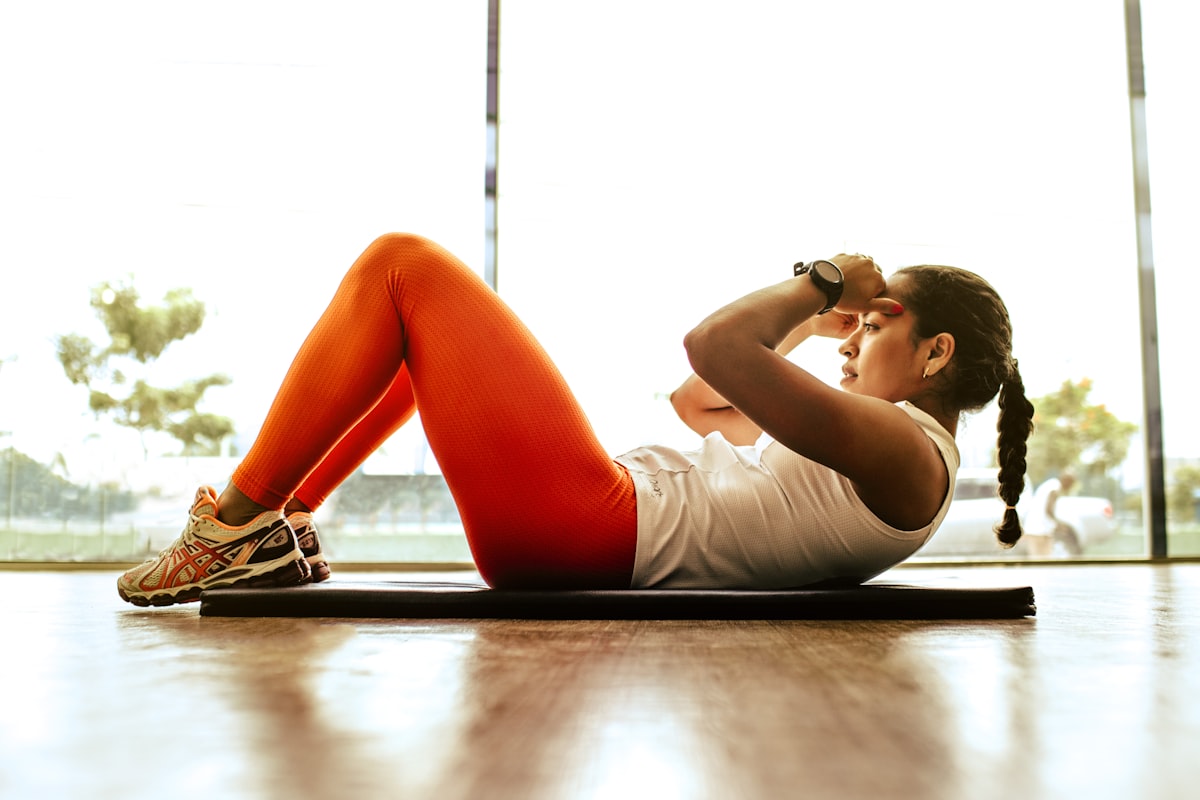
In my family, this conversation happens on a loop. Someone says, "I need to start." Someone else laughs and says, "Ah, so do I." It's my mom, my dad, my aunts, my cousins. A full chorus of people who are aware, well-intentioned, and still not starting.
It is not denial. It is delay. The kind that feels harmless because everyone is doing it together.
The tricky part is that bone density does not live in the category of things you get around to. It is already changing. Quietly, gradually, with or without your participation. This is not a crisis. No one needs to panic. But it also does not belong in the "someday when things calm down" pile.
We tend to default to the usual upgrades. Walking more. Eating a little cleaner. Maybe adding yoga back in. And now, increasingly, talking about GLP-1s.
GLP-1 medications are not an exercise substitute, but they are also not a moral shortcut. They are evidence-based prescription treatments for specific medical conditions. Weight loss from medication, lifestyle changes, or surgery can include some lean mass as well as fat mass, which makes strength, adequate nutrition, and medical follow-up important parts of the conversation.
The FDA's current prescribing information for semaglutide says weight loss is greater from fat mass than lean mass. That is more accurate than saying the medication simply strips away muscle. The useful question is not whether someone took a shortcut. It is how they are protecting strength and bone health while their body weight changes.
Bones respond to load. That load comes from two places: impact and muscular strain.
Impact is force moving through your skeleton. Think stepping down with intention, a small hop, even a brisk change in direction. It does not have to be dramatic to count.
Strain is what happens when your muscles work against resistance and pull on the bone. This is where strength training comes in.
Walking is weight-bearing and is good for bone health, balance, cardiovascular health, and consistency. But bone-health organizations recommend pairing weight-bearing activity with muscle-strengthening work; depending on your health and fracture risk, a clinician may also recommend carefully progressed impact exercise.
So what does this look like in real life?
Holding a weight and sitting into a squat. Stepping up onto something stable and stepping back down. Picking something up off the floor and putting it back down again. Carrying weight, groceries included, with a little more intention. Getting down to the floor and standing back up without rushing.
None of this is flashy. That is part of why it gets skipped.
There is also a line here that matters. Strength work should feel like effort, but sharp or persistent pain is a reason to stop and get guidance. If you have osteoporosis, osteopenia, a previous fragility fracture, balance problems, or another condition affecting exercise safety, ask a qualified clinician or physical therapist which loads and movements are appropriate before adding impact.
What I see, over and over, is that the women who do a small amount of this consistently feel different in their bodies. Not dramatically different. Just steadier. More capable. Less fragile.
This is not a six-week plan. It is not something you start and finish. It is part of how you move through your life now.
You do not need to overhaul everything. You do not need the perfect program.
You just need to stop waiting for later.
Get the Morning Light in your inbox, free.
Subscribe