
The hot room is doing more than making you sweat.
The 26-pose hot yoga sequence is one of the more systematically intelligent things you can do for your lymphatic system. Here is the actual mechanism, pose by pose.
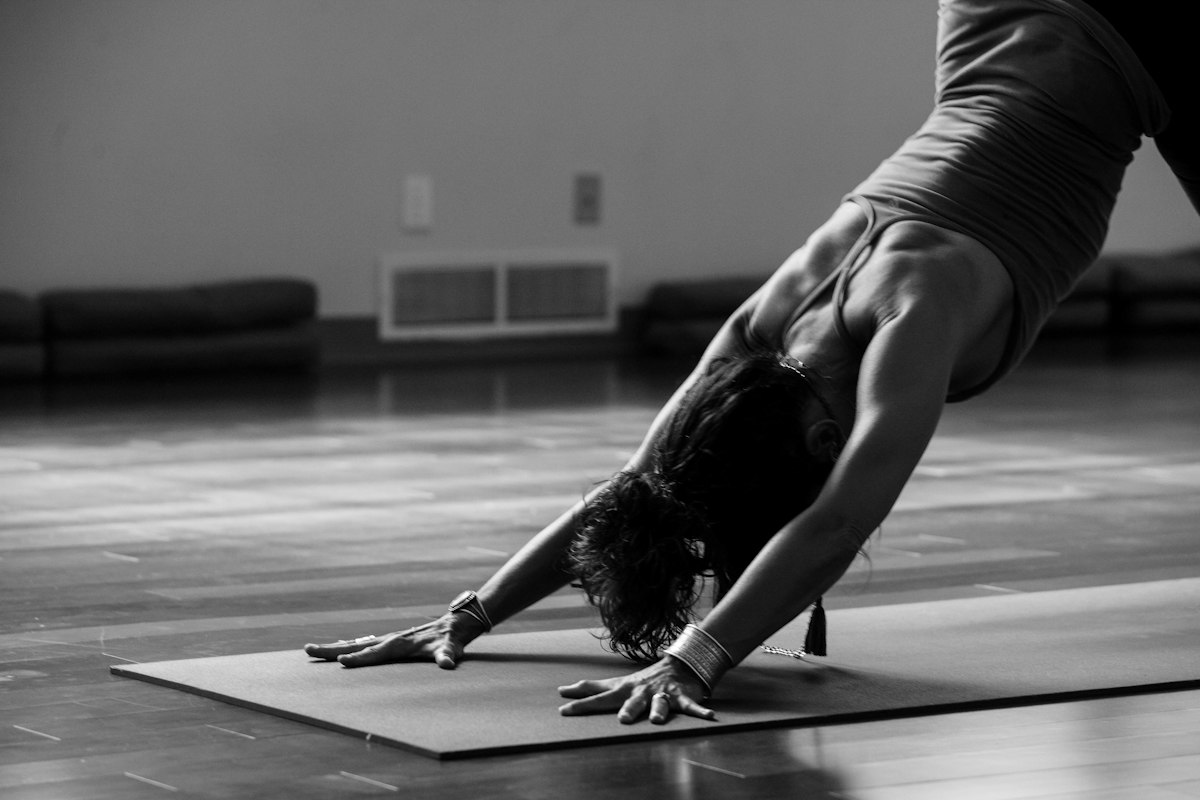
The 26-pose hot yoga sequence has been around since the 1970s. The man who codified it has been credibly accused of sexual assault by dozens of women and now lives abroad. The practice did not go with him. What survived is a specific series of postures performed in a room heated to 105 degrees with 40 percent humidity, and it remains one of the more systematically useful things you can do for your lymphatic system.
CorePower and studios like it have largely stepped into the space, with heated rooms, adapted sequences, and formats that keep the essential mechanics intact. The temperature varies by class. The sequence shifts. The core logic is the same: sustained heat, specific compression patterns, and deep breathing in the same 90-minute window.
Here is why that matters.
The lymphatic system has no pump. This is the foundational fact. Your circulatory system has the heart. Your lymphatic system has muscle contractions, gravity, and breath. It is a passive system that moves fluid through you only as you move. Sit still long enough and you can feel it: the slight puffiness in the legs by late afternoon, the heaviness, the general sense that things are not circulating. Hot yoga is, among other things, a fairly aggressive solution to that problem.
What is happening mechanically, and which poses are doing it:
Eagle (Garudasana) is the most specific example in the sequence. You wrap one arm under the other and one leg over the other, creating deep compression at the armpits and the groin, two of the densest clusters of lymph nodes in the body. You hold it, breathe into it, then release. The release is the point. Compression followed by release is the same principle behind manual lymphatic drainage. The pose does a version of that to two major lymph node groups at once.
Wind-Removing (Pavana Muktasana) presses the knee into the abdomen, compressing the large intestine and the surrounding lymphatic tissue. The name is not subtle about what it is trying to do.
Triangle (Trikonasana) is the ninth pose in the standing series, a deep lateral bend with a wide stance that opens the inguinal region at the groin. These are the largest lymph node clusters in the body. Most yoga does not touch them specifically. This pose does, twice, one side then the other.
Spine Twisting (Ardha Matsyendrasana), the last pose in the floor series, wrings the torso. The rotating compression shifts pressure inside the abdominal cavity, pushing lymph fluid through the cisterna chyli, a small reservoir at the base of the thoracic duct that collects lymph from the lower body before sending it upward toward the heart.
Camel (Ustrasana) opens the entire front of the chest, which is where lymph drains toward the subclavian veins before reentering the bloodstream. Counterintuitively, the deep backbend is a lymphatic opener.
Rabbit (Sasangasana), which follows immediately after Camel as its counterpose, compresses the thymus area behind the sternum. The thymus is central to immune cell development. Same compression-and-release mechanic, different location.
The breathing throughout is doing significant work separately. The thoracic duct runs alongside the spine and carries roughly 75 percent of the body's lymphatic fluid. It responds directly to changes in thoracic pressure. Deep diaphragmatic inhales create negative pressure that draws lymph upward through the duct. This is why the breath cues in this practice are not optional. They are part of the mechanism.
The heat adds something distinct from the poses. At 105 degrees, the body dilates blood vessels to bring circulation to the skin surface for cooling. This increases overall fluid movement and raises the rate of cellular activity throughout. Sweating serves its own purpose, but the deeper effect of the heat is what it does to tissue permeability and circulation.
The honest note: most research on lymphatic benefits of hot yoga is observational. The lymphatic system is genuinely understudied compared to most body systems, partly because it is difficult to image and measure. What is well established is the mechanical logic. Compression and release moves lymph. Deep breathing moves lymph. Sustained movement moves lymph. The 26-pose sequence does all three, systematically, repeatedly, for 90 minutes.
You do not have to believe it is magic. You just have to understand what it is actually doing.
Get the Morning Light in your inbox, free.
Subscribe